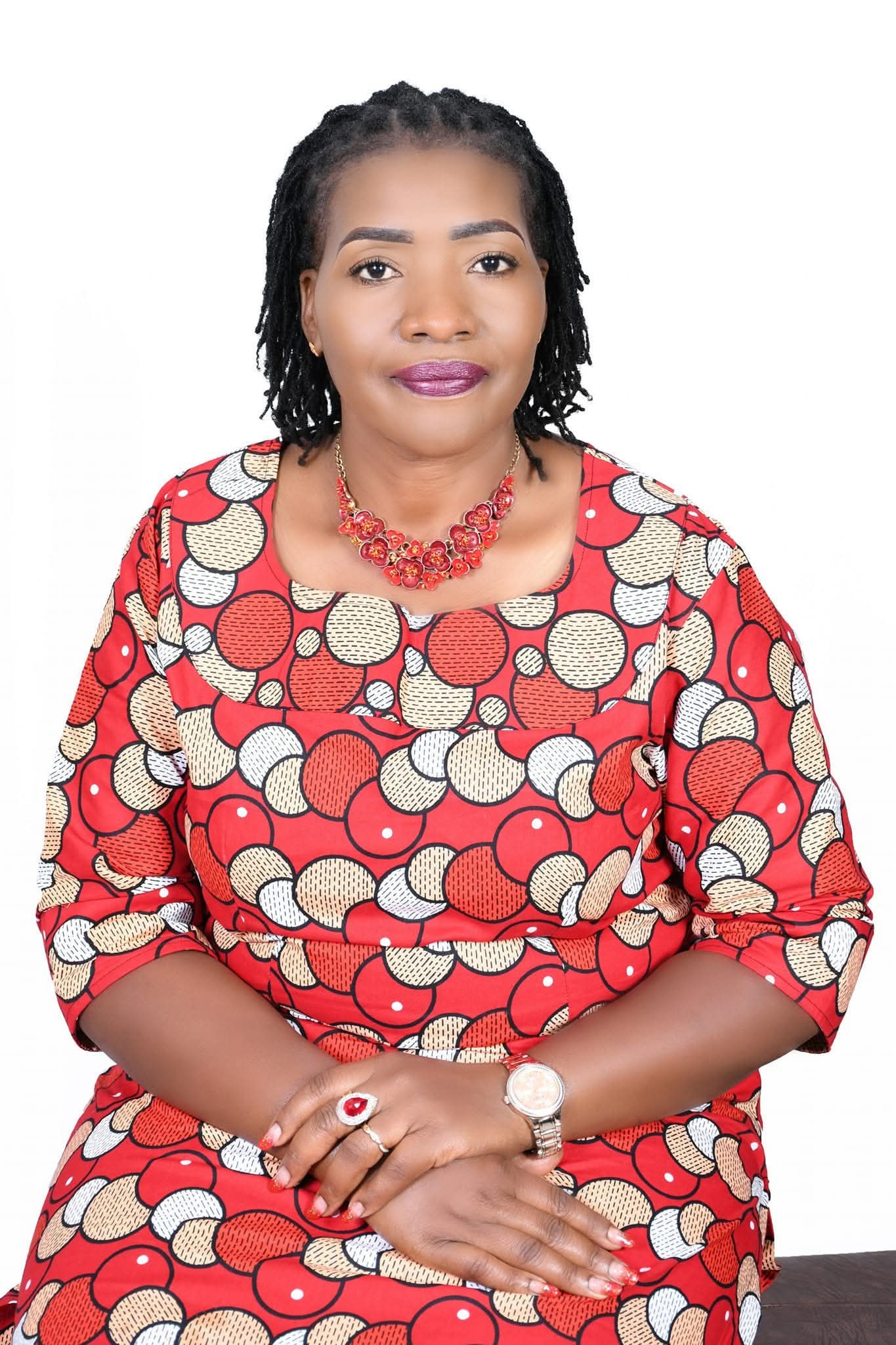

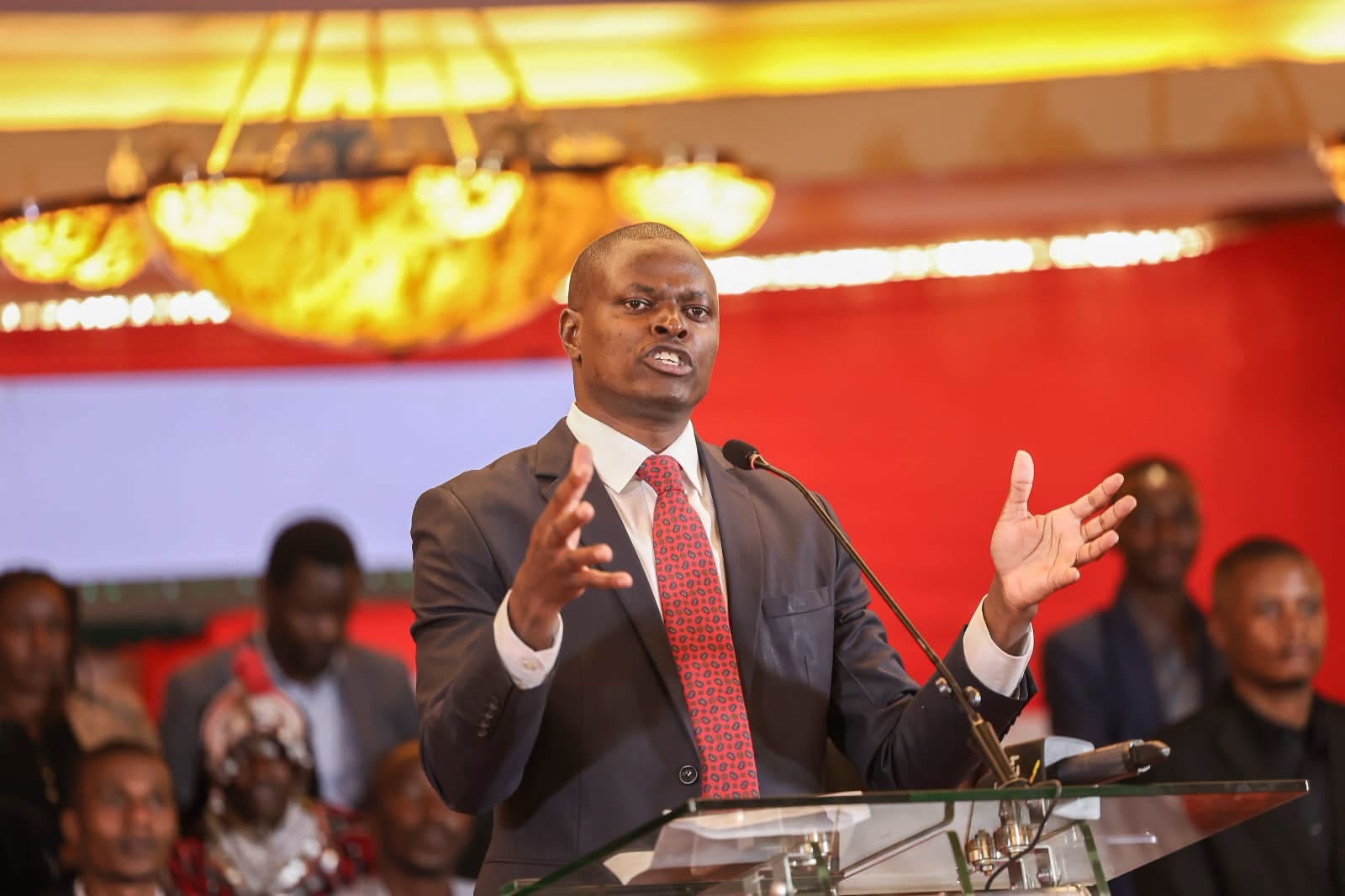
Kiharu MP Hon. Ndindi Nyoro has unveiled an ambitious policy agenda that he says could help transform Kenya’s economy, expand access to essential services and create millions of employment opportunities without imposing additional taxes on Kenyans.
In a detailed statement following his recent public engagement, Nyoro said his experience in previous national campaigns had taught him that campaigning is easier than governing, arguing that serious leadership requires careful planning and practical implementation.
“In the long run, what gets fulfilled is what has been well thought out and planned,” Nyoro said.
Free secondary education from 2028
On education, Nyoro proposed the creation of a national commission similar to the Teachers Service Commission (TSC) to harmonise the employment and salaries of Early Childhood Development Education (ECDE) teachers across the country.
He also proposed Free Secondary Education beginning January 2028, targeting approximately 3.5 million learners in about 9,500 senior secondary schools.
According to Nyoro, the programme could be financed through a combination of KSh10 billion from the National Government Constituencies Development Fund, KSh10 billion from counties’ equitable share and KSh15 billion from the national government.
He further proposed a KSh10,000 subsidy for boarding students and greater flexibility in teacher transfers, particularly for teachers who have served fewer than five years at their first stations.
Nyoro also called for the government to waive tax arrears owed by public universities and facilitate payment of statutory obligations and debts. He said a new funding model was also being considered to ensure all qualified university students can access higher education, requiring an estimated additional KSh80 billion.
Major healthcare reforms
On healthcare, Nyoro proposed that the systems managing healthcare be owned by the government.
He suggested reducing NSSF contributions and redirecting about KSh40 billion towards healthcare, arguing that the funds could help address chronic illnesses that have left many families struggling with medical bills.
Part of the additional funding, he said, would be used to upgrade health facilities, improve supplies and develop model healthcare institutions.
Nyoro also proposed the creation of a Kenyan Doctors and Healthcare Workers Commission to oversee the employment and placement of healthcare workers nationally rather than leaving the responsibility largely at county level.
Jobs to become a government performance measure
Nyoro identified unemployment and inadequate job opportunities as among Kenya’s biggest challenges.
He proposed that every Cabinet Secretary should have specific job-creation targets within their respective ministries, with the government publishing monthly or quarterly data showing the number of net jobs created.
He said economic growth must be pursued across the primary, secondary and service sectors, with every major government intervention assessed partly on its ability to generate employment.
Manufacturing and cheaper electricity
Nyoro said Kenya cannot achieve significant industrial growth without reliable and affordable electricity.
Among his proposals is the liberalisation of the power sector and greater utilisation of KenGen assets.
He suggested that the government could raise close to KSh150 billion from a properly valued 35 percent stake in KenGen and reinvest the proceeds into additional power generation.
He also called for a halt to privately negotiated independent power producer arrangements unless they are conducted through transparent public processes.
Nyoro further proposed a revamped industrial policy focused on specific products, with progress reported regularly to the Head of State.
He singled out the Coast region, including Mombasa, Kwale and Lamu, as having potential to become major Special Economic Zones, arguing that Kenya should seek to build a globally competitive industrial hub comparable to Shenzhen.
Tourism targeted for millions of new jobs
Nyoro identified tourism and hospitality as another major avenue for employment creation.
He noted that the sector currently employs about 1.1 million Kenyans directly and proposed increasing international tourist arrivals to approximately 10 million annually.
Drawing lessons from countries such as Morocco and Albania, he argued that Kenya has the attractions and potential to achieve much higher visitor numbers.
He said achieving the target could create millions of direct and indirect employment opportunities through tourism-related sectors such as agriculture, transport and retail.
Among his proposals are more aggressive international marketing of Kenya, simplified investment procedures and diversification of tourism products.
Banking and agriculture reforms
In the financial sector, Nyoro proposed measures aimed at strengthening locally owned banks and encouraging Kenyan financial institutions to expand across Africa.
He suggested tax incentives for banks that acquire foreign financial institutions and called for encouragement of mergers that could create stronger regional and continental banking institutions.
On agriculture, Nyoro argued that low productivity remains a major driver of informality in Kenya’s labour market.
He proposed increased access to quality seeds and subsidised fertiliser, cultivation of idle land, expansion of agriculture into underdeveloped areas and a stronger focus on high-value crops.
He also called for Kenya to shift from commodity production towards speciality tea and coffee, establish model farms to spread best practices and reduce post-harvest losses through local value chains.
Nyoro further proposed incentives for local processing and value addition, particularly in agricultural products used in the manufacture of edible oils, which he identified as one of Kenya’s major import categories.
Northern Kenya and rural transformation
Nyoro said rural development must form part of Kenya’s long-term economic strategy.
He cited South Korea’s village development experience as a possible model and proposed greater use of schools as market centres, alongside increased infrastructure investment in rural areas.
For Northern Kenya, he proposed expanded irrigation, tourism development and the establishment of green data centres powered by the region’s solar and wind resources.
Expanded social protection
On social protection, Nyoro proposed enrolling all Kenyans aged above 70 who are currently not covered by existing programmes.
He suggested increasing monthly support under Inua Jamii to KSh3,000 in the short term, with a target of KSh4,000 within three years.
He also proposed free first-degree education for orphans and vulnerable students.
Judiciary and government technology
Nyoro called for the capacity of the Judiciary to be doubled within five years, arguing that a more efficient justice system would improve economic transactions and investor confidence.
He proposed increasing Judiciary funding to at least 1.5 percent of gross national revenue.
On technology, he proposed establishing Kenya Data and Systems Services (KDSS) to manage key government digital systems, including healthcare systems and e-Citizen.
The proposed company, he said, should be majority-owned by the government before eventually being listed, with 49 percent of its shares offered to the public.
Nyoro confirms move to opposition
Politically, Nyoro confirmed that he and his allies have joined the People’s Party, which he said had agreed to immediately join the opposition.
He urged Kenyans evaluating potential leaders ahead of the next elections to consider leaders within the People’s Party, saying they have ideas and experience to contribute to the country’s future.
Nyoro also said consultations had been held with several opposition figures, including former Cabinet Secretaries JB Peter Munya and JB Muturi, former Deputy President Rigathi Gachagua, former Cabinet Secretary Fred Matiang’i, Wiper leader Kalonzo Musyoka, Siaya Governor James Orengo and Nairobi Senator Edwin Sifuna, among others.
He said the political formation would also focus on training aspirants seeking elective positions across the country.
Call for national unity
Nyoro concluded by calling for unity among Kenyans, arguing that economic progress and national development require citizens to work together.
“A progressive and growing Kenya serves all of us. A united Kenya pulls in the same direction,” he said.
He described the proposals as only a summary of a broader policy agenda aimed at shaping what he believes Kenya should achieve in the years ahead.